

Accuracy and Confidentiality: The Core Principles of Legal Transcription in Courts
Legal transcription is integral to the legal system, ensuring that spoken words from court proceedings are accurately converted into written records. In the legal arena, two fundamental principles, accuracy, and confidentiality, take center stage. In most cases, transcribing court hearings, depositions, and other legal proceedings requires high precision and attention to detail. This is because any error or omission in the transcript could have severe implications for the outcome of a case. This article delves into these core principles and their significance in the realm of legal transcription, offering insights in a friendly and informative tone.
Accuracy: The Pillar of Legal Transcription
Accuracy is the bedrock of legal transcription. In court proceedings, every word spoken counts and must be documented precisely. Legal transcribers play a crucial role in ensuring that all words spoken are accurately captured in written form without any errors or omissions.
Precision
Accuracy is non-negotiable in legal transcription. Every word, phrase, and detail must be transcribed with precision. This is vital because even a small error can alter a statement’s meaning or compromise the legal process’s integrity. Legal transcribers must, therefore, pay close attention to every detail and verify the accuracy of their work before submitting it.
Speaker Identification

Legal proceedings involve multiple participants, including judges, attorneys, witnesses, and defendants. Accurate transcription includes identifying each speaker to ensure clarity in the record. This is especially important in cases where multiple individuals are speaking simultaneously or when identifying a specific speaker is crucial to understanding the context of a statement.
In legal transcription, confidentiality is a critical component. Legal proceedings often involve sensitive and confidential information, such as personal details, financial records, or classified information. Legal transcribers are entrusted with safeguarding this information and must adhere to strict confidentiality protocols.
Verbatim Transcription
In many legal settings, verbatim transcription is required, capturing every spoken word, including pauses, interruptions, and non-verbal cues. This level of detail preserves the complete context of the proceedings. Legal transcribers must have exceptional listening skills and the ability to accurately capture every spoken word, regardless of how fast-paced or complex the conversation may be.
Time-Stamped Records
Accuracy extends to time-stamped records, noting when statements are made. This is crucial for legal reference, ensuring that events are documented in chronological order. Time-stamping also helps to identify who made a statement in case of any discrepancies or disputes.
Legal Terminology
Legal transcriptionists must be well-versed in legal terminology and jargon to accurately transcribe complex legal discussions. This requires specialized knowledge and training to ensure that every word is transcribed correctly. It is essential for legal transcribers to stay updated on any changes in legal terminology or jargon.
Non-Disclosure Agreements (NDAs)
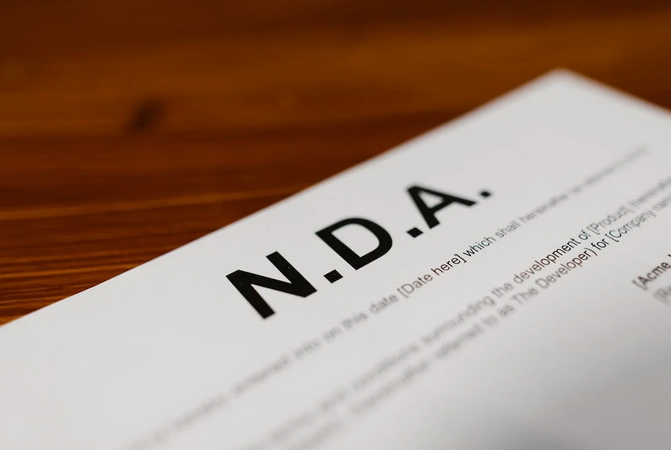
Legal transcriptionists may be required to sign NDAs, prohibiting them from disclosing any information discussed during court proceedings. This confidentiality agreement ensures that sensitive information remains secure and protected from unauthorized disclosure.
Data Security Measures
In addition to NDAs, legal transcription companies use various data security measures to protect confidential information. These may include secure file transfer protocols, encryption, password protection, and restricted access for authorized personnel only. Legal transcribers must also follow these security protocols to maintain the confidentiality of the information they handle.
Professionalism and Ethical Standards
Legal transcribers are professionals who must adhere to strict ethical standards. They must maintain objectivity, neutrality, and …
Accuracy and Confidentiality: The Core Principles of Legal Transcription in Courts Read More